

Gratis bruksanvisninger for Edelrid – les, last ned og skriv ut
8 Manualer
Manualer
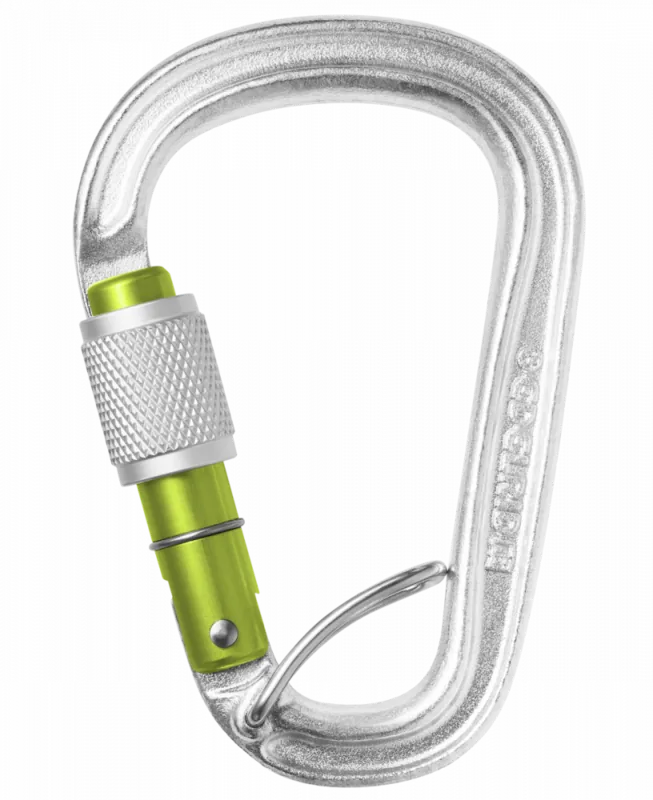
2 sider
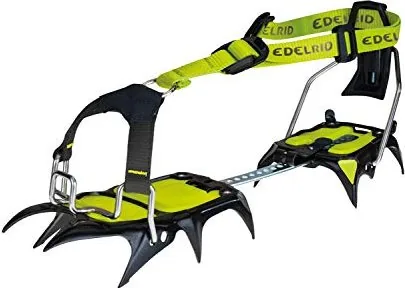
100 sider
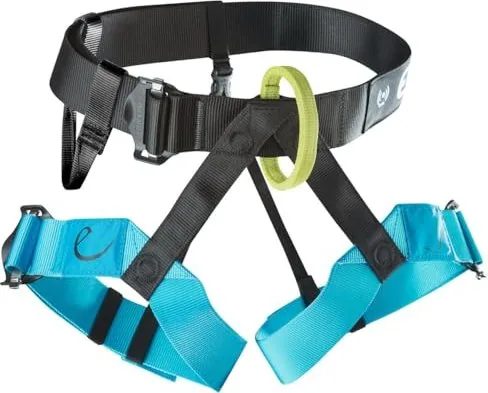
47 sider
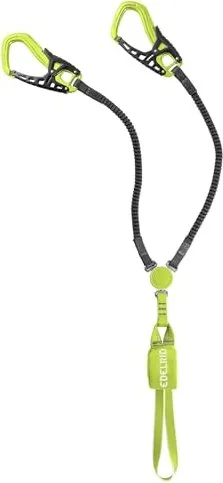
33 sider
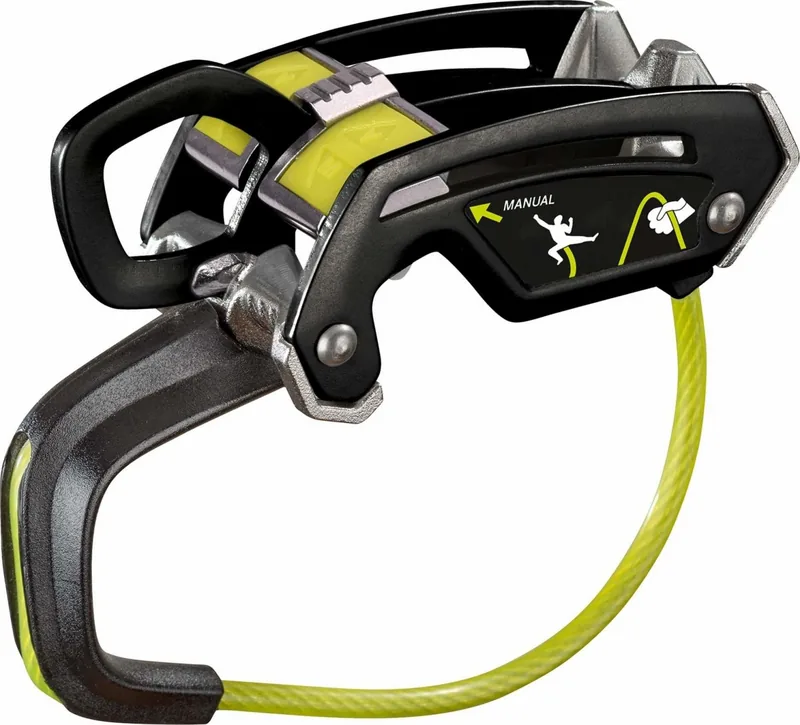
2 sider
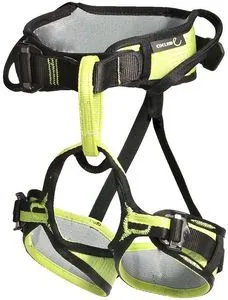
47 sider
39 sider
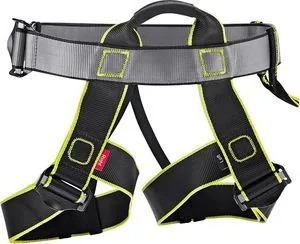
92 sider
Kategorier

Edelrid Manuals
Introduction
Edelrid, a renowned name in climbing equipment, has a rich history of engineering and safety-focused design. The Edelrid manuals serve as an essential resource for climbers, rope technicians, and outdoor enthusiasts who rely on precise instructions, safety standards, and maintenance guidance. These manuals are crafted to cover a wide range of products, from ropes and harnesses to slings, carabiners, protection devices, and emergency equipment. The goal is to provide clear, actionable information that enhances safety, performance, and longevity of gear used in demanding environments.
In this description, we will explore the scope and value of Edelrid manuals, how they are structured, and the practical ways climbers and professionals can utilize them to maximize safety and efficiency in various climbing disciplines, including sport, trad, alpine, and mountaineering contexts.
Scope and Content
Product Coverage
Edelrid manuals typically encompass:
- Ropes: Dynamic and static ropes, climbing cordage, rope care, inspection intervals, and safe usage guidelines.
- Harnesses: Sizing, adjustment, wear checks, load limits, and proper donning/doffing techniques.
- Slings and Webbing: Material specifics, load ratings, color-coding, and maintenance.
- Carabiners and Quickdraws: Locking mechanisms, cross-load considerations, inspection routines, and proper use cases.
- Protection and Anchors: Nuts, slings, bolts, screw-gate carabiners, and anchor-building strategies.
- Technical Equipment: Pulleys, descenders, ascenders, and aid climbing gear with usage instructions.
- Safety and Maintenance: Cleaning, storage, inspection checklists, and lifecycle guidance.
These manuals are designed to address both beginner understanding and advanced technical applications, ensuring users can select the right gear and use it correctly in diverse environments.
Format and Accessibility
Edelrid manuals are typically available in multiple formats, including:
- Digital PDFs with searchable text and diagrams.
- Printed guides included with gear purchases or available at retailers.
- Online knowledge bases with articles, FAQs, and troubleshooting sections.
The materials are written to be practical, with step-by-step procedures, visual aids, and warning icons to highlight potential hazards.
Language and Localization
Manuals are often translated into several languages to reach a global climbing community. They may include region-specific guidance for weather, terrain, and regulatory considerations, while maintaining core safety standards consistent with international norms.
Structure and Key Elements
Safety Warnings and Symbols
Edelrid manuals emphasize safety through clearly labeled warnings, iconography for risks (e.g., fall hazards, rope load limits), and decision trees for when to retire equipment. This helps users quickly recognize critical information even in challenging environments.
Technical Specifications
The manuals provide essential specifications such as:
- Material composition and weight of gear
- Breaking strength and service load ratings
- Certification standards (e.g., CE, UIAA)
- Temperature and environmental tolerances
These details assist professionals in performing calculations for safe use and compliance with local rules.
Usage Instructions
Procedural sections cover:
- Donning and doffing techniques for harnesses and helmets
- Inspecting gear before and after use, including wear, fraying, or deformation checks
- Proper rope handling, bending radii, and knot selections
- Safe loading, clip-in points, and cross-loading avoidance
- Cleaning and drying procedures to preserve material integrity
- Storage guidelines to prevent damage from moisture, UV exposure, or chemical exposure
Maintenance and Lifespan
Guidance on maintenance includes:
- Cleaning agents and routines compatible with Edelrid materials
- Frequency of inspections based on usage patterns (e.g., weekly training vs. expedition use)
- Retire criteria for gear past its service life or showing irreversible wear
- Documentation practices for tracking gear history and replacements
Troubleshooting and Diagnostics
Manuals often present common issues, probable causes, and corrective actions, enabling users to diagnose problems without excessive downtime. This might include:
- Rope stiffness or glazing and proper handling
- Carabiner gate opening or locking failures and corrective steps
- Uneven wear patterns indicating usage corrections or replacement needs
Best Practices and Recommendations
In addition to technical instructions, Edelrid manuals offer practical recommendations such as:
- Systematic test-downs of anchors before loading
- Redundancy strategies in critical protection setups
- Progressive training suggestions for new climbers
- Gear rotation and retirement planning to maintain performance standards
Practical Applications
For Beginners
New climbers can use Edelrid manuals to build a solid foundation:
- Learn proper equipment terminology and basic safety concepts
- Understand the importance of regular gear inspection and early replacement
- Develop proper rope care habits to extend life and performance
- Practice safe clipping, belaying, and rappelling techniques with guided steps
For Intermediate and Advanced Climbers
Seasoned climbers benefit from deeper dives into:
- Advanced anchor building, redundancy, and risk assessment
- Analyzing load vectors, cross-loading risks, and dynamic loading scenarios
- Equipment customization for specific disciplines like ice climbing or alpine routes
- Maintenance optimization for frequent travel and expeditions
For Guides and Professionals
Manuals serve as referências for:
- Training new clients and staff to standard safety procedures
- Designing safe and efficient climbing systems for trips or courses
- Ensuring compliance with industry standards and manufacturer guidelines
- Documenting gear lifecycles and scheduling replacements across a team
Getting the Most Out of Edelrid Manuals
- Pair manuals with hands-on practice: Reading alone is not enough; combine with supervised sessions
- Keep a gear journal: Note inspection results, retirement dates, and replacement needs
- Use visual aids: Diagrams and charts in manuals are valuable for quick reference in the field
- Stay updated: Check for new editions or online updates reflecting product changes or safety advisories
Conclusion
Edelrid manuals are more than instruction sheets; they are a trusted framework for safe, effective climbing. By detailing product specifications, usage guidelines, maintenance practices, and best-practice strategies, these manuals empower climbers to make informed choices, optimize gear performance, and minimize risk in challenging environments. Whether you are buying your first rope, guiding clients up a route, or planning a winter ascent, Edelrid manuals provide the disciplined knowledge needed to climb with confidence and safety.
Search for 67 706 Manuals online


Skriv inn merke eller modell