

Gratis bruksanvisninger for HiKOKI – les, last ned og skriv ut
68 Manualer
Manualer
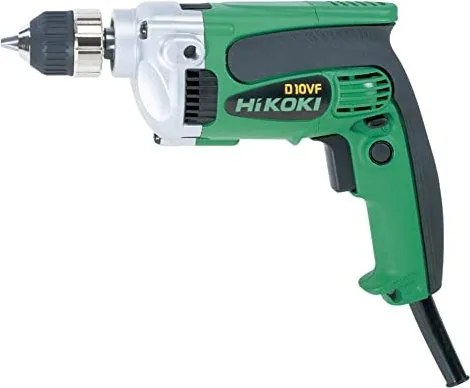
124 sider
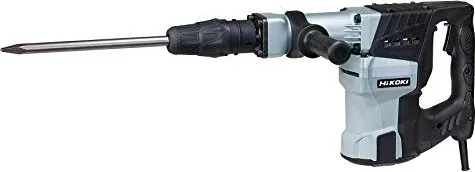
104 sider
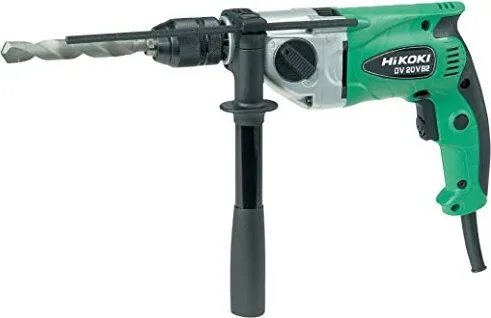
112 sider
236 sider
104 sider
132 sider
100 sider
100 sider
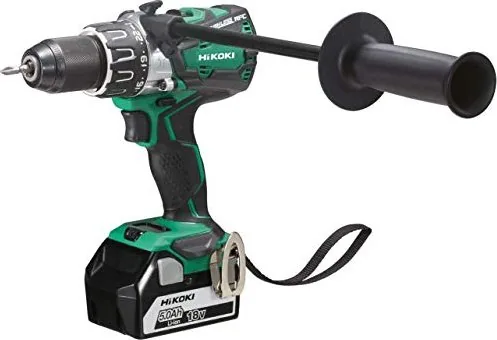
280 sider
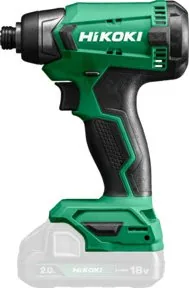
172 sider
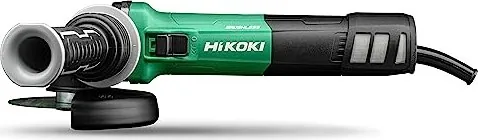
184 sider
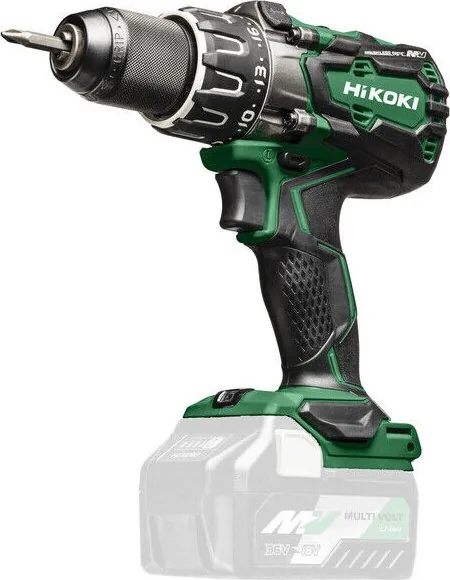
272 sider
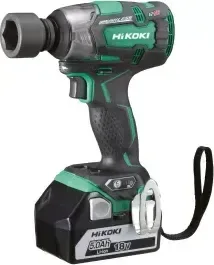
268 sider
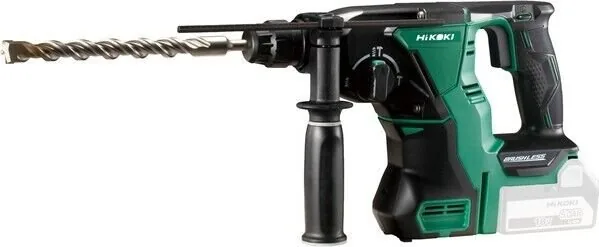
188 sider
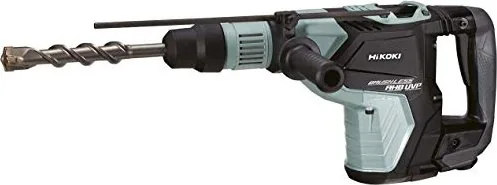
116 sider
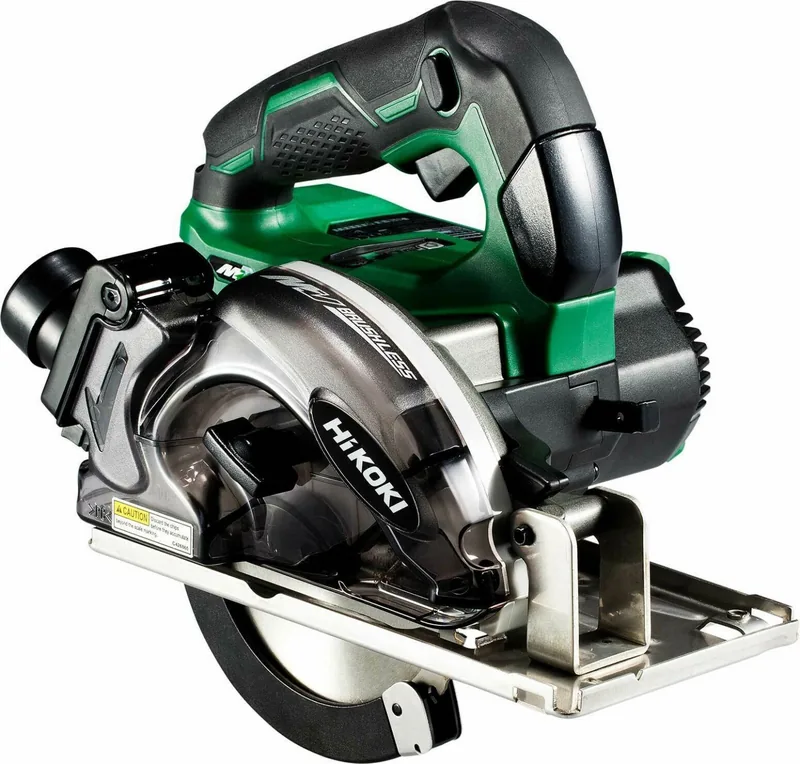
320 sider
144 sider
216 sider
68 sider
156 sider
240 sider
236 sider

2 sider
144 sider
268 sider
232 sider
240 sider
184 sider
164 sider
236 sider
248 sider
116 sider
92 sider
92 sider
168 sider
172 sider
184 sider

256 sider
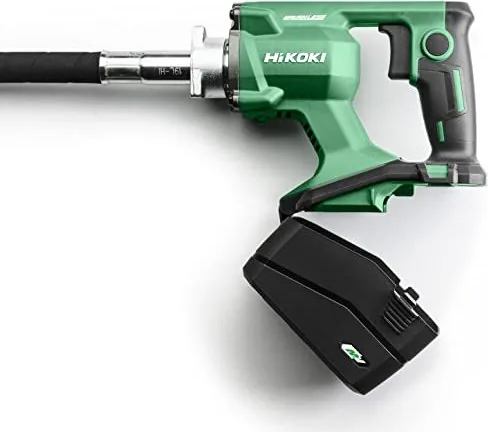
248 sider
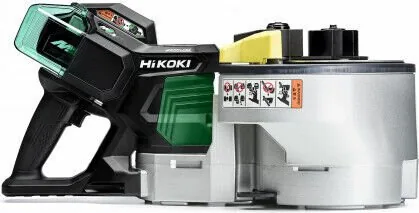
336 sider
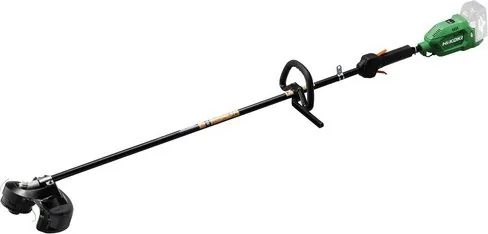
108 sider
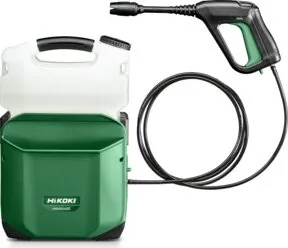
300 sider
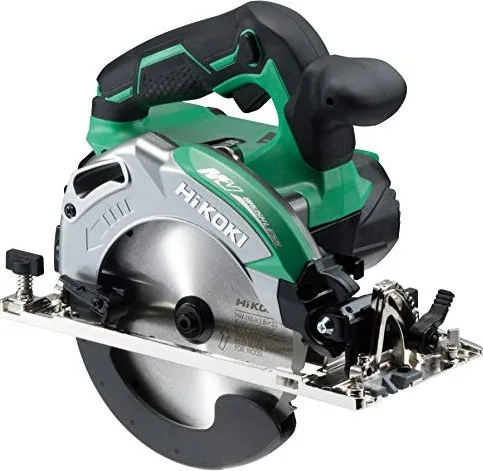
300 sider
96 sider
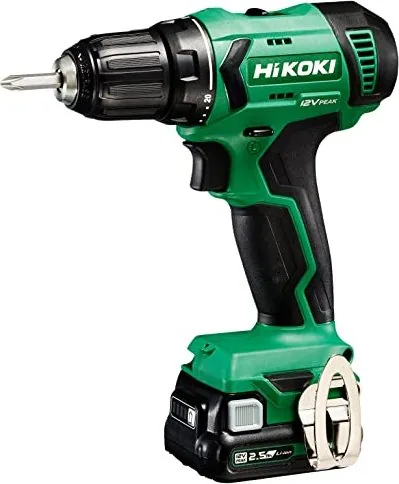
180 sider
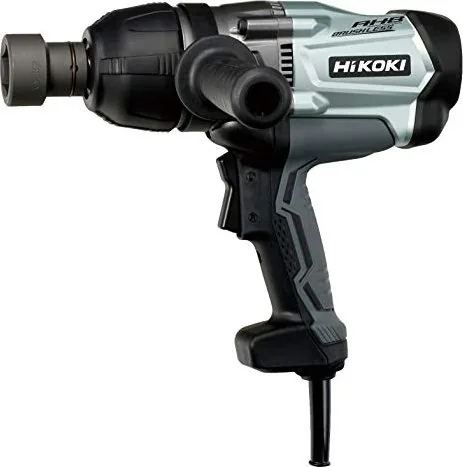
92 sider
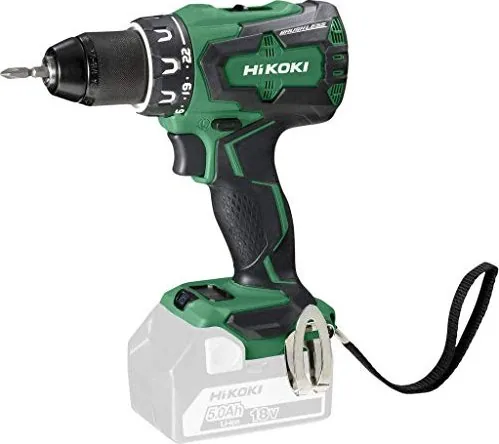
212 sider
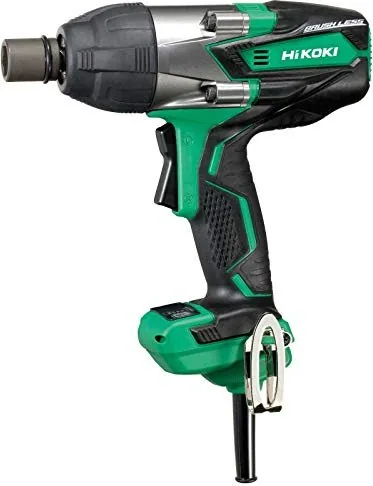
96 sider
296 sider
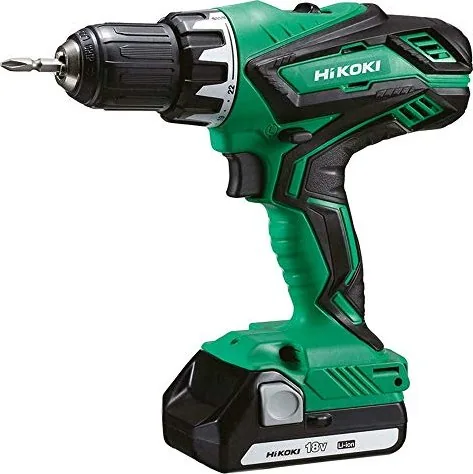
172 sider
Kategorier


HiKOKI Manuals
Overview
HiKOKI manuals are comprehensive guides provided for HiKOKI (formerly Hitachi) power tools and equipment, covering a wide range of models including drills, impact drivers, saws, grinders, nailers, sanders, demolition hammers, and outdoor power equipment. These manuals are designed to help professional tradespeople, DIY enthusiasts, maintenance technicians, and retailers understand product features, operate tools safely, perform routine maintenance, troubleshoot issues, and locate replacement parts. The content typically includes technical specifications, safety warnings, assembly and disassembly instructions, operating procedures, maintenance schedules, troubleshooting charts, exploded diagrams, parts lists, and warranty information.
Purpose and Importance
HiKOKI manuals serve several essential purposes:
- Safety: Manuals emphasize safe operation, providing warnings, personal protective equipment (PPE) recommendations, and safe-handling procedures to reduce the risk of injury or equipment damage.
- Operation: Clear step-by-step instructions help users learn how to set up and operate the tool correctly, including controls, speed settings, battery installation for cordless models, and recommended usage techniques.
- Maintenance: Regular maintenance guidance helps prolong tool life and maintain performance. Manuals include cleaning instructions, lubrication points, battery care, brush replacement for brushed motors, and inspection intervals.
- Troubleshooting: Problem-solving sections offer diagnostic flows, symptom-to-cause mappings, and simple fixes users can perform without professional service.
- Parts and Repair: Exploded diagrams and parts lists identify components and part numbers, facilitating ordering replacements and guiding disassembly/reassembly for repairs.
- Compliance: Manuals include regulatory and certification information, ensuring tools meet applicable safety and environmental standards and advising on proper disposal of batteries and electrical components.
Typical Manual Structure
HiKOKI manuals generally follow a structured layout to make information accessible:
1. Title Page and Model Identification
The first section identifies the tool model, voltage, battery type (for cordless tools), and publication or revision date. It may include a quick-reference compatibility chart for batteries and chargers.
2. Table of Contents
A navigable index lists major sections, page numbers, and sometimes quick links in digital manuals.
3. Safety Information
Extensive safety warnings and symbols are explained here. This section often contains:
- General safety rules
- Specific hazards (kickback, blade contact, battery hazards)
- PPE recommendations (eye, ear, respiratory protection)
- Safety labels and their meanings
- Environmental precautions (proper disposal, recycling)
4. Product Overview
This section introduces the tool components, diagrams labeling parts, and a brief summary of major features and benefits.
5. Specifications
Technical data such as motor type, power output, no-load speed, capacity, torque, weight, dimensions, battery voltage, charging time, and noise/vibration figures are presented for reference.
6. Assembly and Installation
Instructions for initial assembly, attaching accessories (blades, bits, guards), battery insertion, charger setup, and mounting or storage recommendations.
7. Operating Instructions
Step-by-step operating procedures cover starting/stopping, speed and torque adjustment, correct usage techniques, battery management for cordless tools, and tips for efficient operation in different materials or tasks.
8. Maintenance and Care
Routine maintenance schedules and procedures include:
- Cleaning methods
- Lubrication points and recommended lubricants
- Replacing brushes (if applicable) and belts
- Inspecting and replacing worn parts like blades, brushes, or seals
- Battery maintenance and storage recommendations
9. Troubleshooting Guide
Common symptoms and causes with suggested corrective actions help users resolve problems without professional service. Symptoms may include failure to start, reduced power, excessive vibration, overheating, unusual noises, or charging issues.
10. Parts Diagram and List
Exploded-view diagrams with part numbers and descriptions facilitate ordering replacements. This section may include optional accessories and consumables.
11. Wiring Diagrams and Electrical Information
For electrically powered models, wiring diagrams, schematics, and component references assist in more complex repairs and diagnostics.
12. Service and Warranty Information
Details about warranty coverage, service center locations, authorized repair procedures, and contact information for customer support.
13. Regulatory and Disposal Information
Safety compliance statements, electromagnetic compatibility (EMC) notes, and instructions for proper disposal of batteries and electronic components.
Digital vs. Printed Manuals
HiKOKI provides manuals in both printed and digital formats. Digital manuals offer searchable text, high-resolution diagrams, and quick links. Advantages of digital manuals include:
- Instant access via manufacturer website or mobile apps
- Searchable content for fast troubleshooting
- High-resolution, zoomable exploded diagrams
- Frequent updates or errata notices
Printed manuals offer portability and quick on-site reference, although they can become outdated if revisions or model updates are issued.
How to Find the Correct HiKOKI Manual
- Model Number: Always use the exact model number stamped on the tool; similar models can have different specifications and parts.
- Serial Number: Some manuals or service bulletins reference serial ranges for revisions.
- Manufacturer Website: HiKOKI’s official website typically hosts downloadable PDFs for current and legacy models.
- Authorized Dealers: Dealers and distributors can provide manuals or point to proper resources.
- Third-Party Repositories: Reliable tool forums and maintenance databases may host manuals but verify authenticity and revision dates.
Best Practices When Using a HiKOKI Manual
- Read the safety section before using the tool.
- Follow maintenance intervals to prevent premature wear.
- Use only recommended consumables and accessories to avoid damage or voiding the warranty.
- Keep the manual with the tool or store the digital copy in a dedicated folder for quick retrieval.
- Note model-specific quirks and revision notes; sometimes small updates change part numbers or procedures.
Common Manual Sections Users Find Most Helpful
- Quick Start Guides: For immediate use, these condensed pages accelerate setup and safe operation.
- Troubleshooting Tables: Direct symptom-to-fix mappings reduce downtime.
- Exploded Diagrams: Essential for disassembly and parts ordering.
- Safety Labels and Symbols: Understanding these prevents misuse and accidents.
Translating and Localizing Manuals
HiKOKI provides manuals in multiple languages to support global markets. Localized manuals include metric/imperial conversions, region-specific regulatory statements, and translated safety warnings. When working with localized manuals, verify that measurements and replacement part numbers align with local supply chains.
Tips for Maintenance and Longevity
- Use the correct battery type and charge using HiKOKI-approved chargers.
- Store cordless tools and batteries in cool, dry locations and follow manufacturer-recommended storage charge levels.
- Regularly clean vents and moving parts to prevent debris buildup and overheating.
- Replace wearing parts (brushes, belts, blades) promptly to maintain efficiency.
- Keep firmware up to date for smart tools that may receive updates via apps or service centers.
Legal and Warranty Considerations
Follow the warranty conditions laid out in the manual. Unauthorized modifications or repairs by non-authorized personnel can void warranties. Manuals also disclose limitations of liability, recommended service intervals, and manufacturer contact points for warranty claims.
Conclusion
HiKOKI manuals are essential resources for safe, effective, and long-lasting use of HiKOKI power tools. They combine safety guidance, practical operating instructions, detailed maintenance plans, troubleshooting assistance, and parts information. Whether you are a professional repair technician or a weekend DIYer, using the correct HiKOKI manual for your specific model ensures optimal performance, reduces the risk of injury, and helps preserve warranty coverage.
Søk i 67 732 bruksanvisninger på nett


Skriv inn merke eller modell